The Fat Acceptance Movement, Food and Dieting
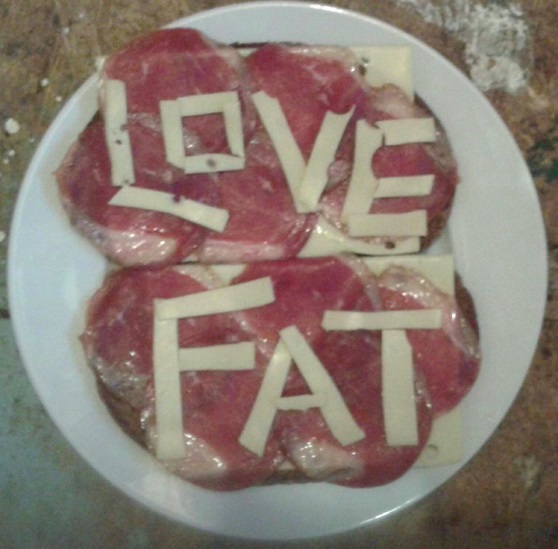
In the current anti-obesity climate of the U.S., a bevy of health messages are aimed at the “obese,” exhorting the portly to lose weight, get in shape, and put down the fork. But what have fat people, or at least a subset of fat people, had to say about the relationship between food, body habitus, and eating? According to self-proclaimed fat activists, society forces fat people to diet, leading to a distorted and damaging relationship with food. As an alternative, fat activists advocate “intuitive eating,” relying on ones’ internal sensations of hunger, pleasure, and satiety to guide food consumption. This ideology, implying balance, harmony, health, and pleasure is vastly appealing – but perhaps flawed. The fat acceptance movement began in…