“Have you ever dreamt of a better version of yourself? Younger, more beautiful, more perfect?” This tagline from Coralie Fargeat’s 2024 body horror film The Substance is a powerful but mostly redundant question for most women. Which woman hasn’t been (or should I say isn’t) obsessed with the quest for eternal beauty because of – if nothing else – sheer volume of social messaging that to be a woman of any value, one must be slim, young, and aesthetically pleasing, according to received cultural standards? In The Substance, ageing Hollywood superstar Elisabeth Sparkle embodies this pursuit to grotesque extremes. In the film, she engages a mysterious medicalized protocol known as “The Substance,” which allows her to produce an unidentical ‘clone’…
» Read More

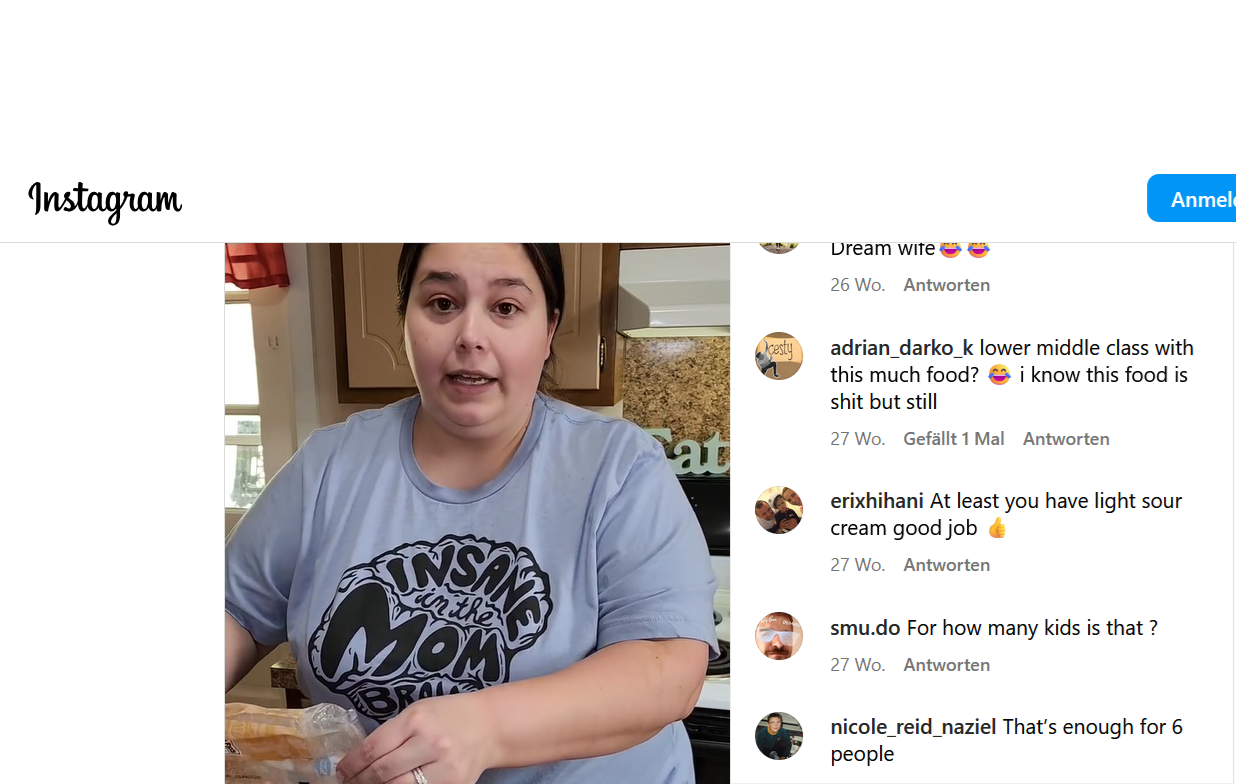
Lunchboxes are more than just a meal; they are a way for family and loved ones to show their care. However, lunchboxes also expose individual food practices to public scrutiny and judgment, creating “lunchbox shaming” that leads to marginalization and discrimination. The rise of lunchbox-packing as a trendy social media content has further reinforced this phenomenon, perpetuating public evaluation, mostly negative, to create self-distinction and other-abjection. In this blog post, I explore comments on a video of Mama J Rae’s lunchbox-packing for her husband, posted on Instagram, to understand the role of lunchbox commentary in expressing food loathing online. By criticizing Mama J Rae’s lunchbox-making practices, commentators distinguish themselves from her, perceiving her family’s food practices as inferior and undesirable.…

» Read More

In July 2024, after 14 years of conservative Tory rule, the British Labour party won a general election. Shortly after their landslide victory, in October, an interesting case study on fat politics played out in the UK. Keir Starmer, the party’s newly elected prime minister, announced he wanted to get fat, unemployed people back onto the job market with the help of free “weight loss injections,” a new turn of the screw in dystopian diet culture. In this piece, I want to reflect on the larger politics and consequences of this policy proposal and ask: What are progressive fat politics and what role do fat politicians play in shaping fat policy-making?  According to British Health Minister Wes Streeting, the “widening waistbands” of his…

» Read More

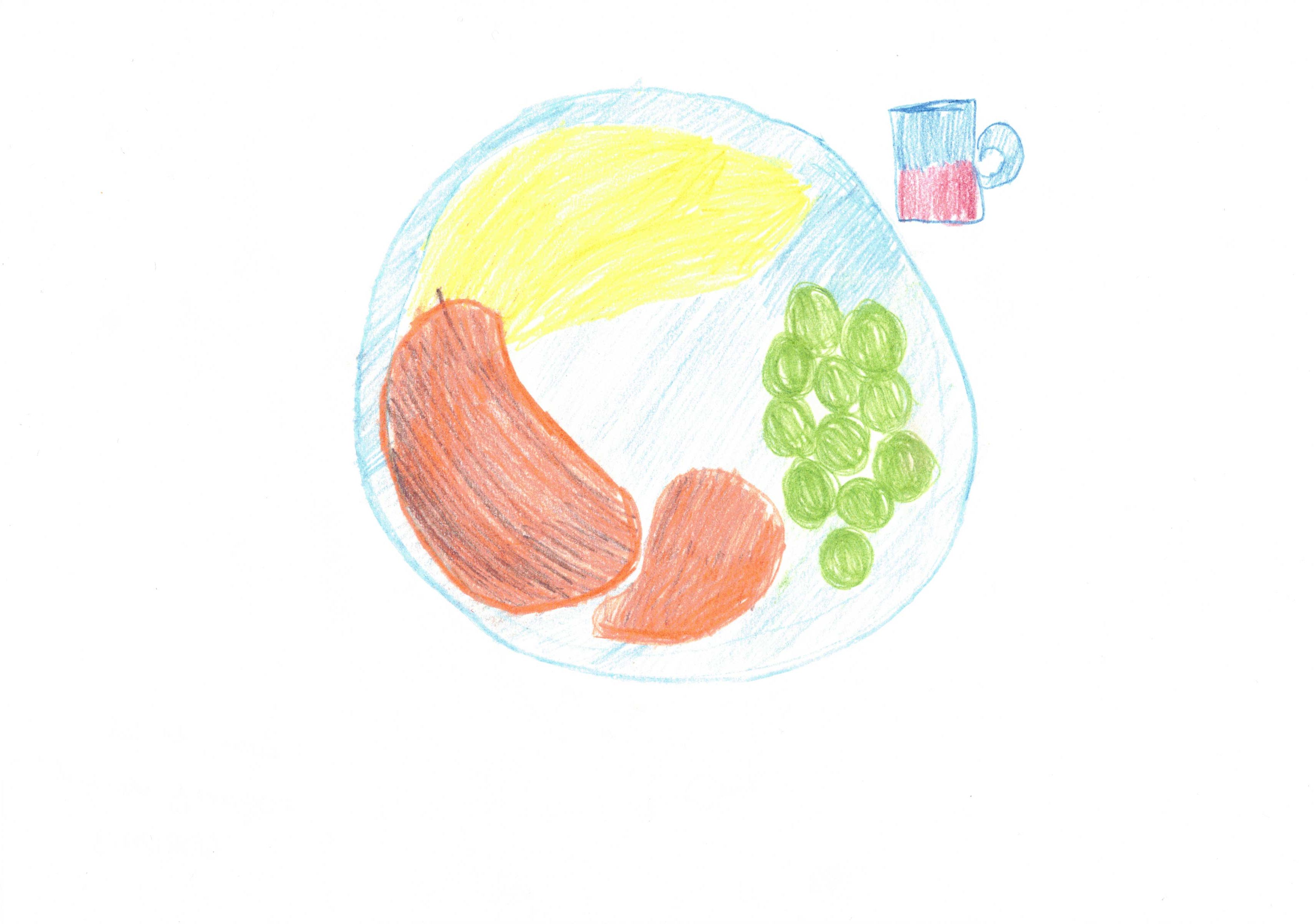
Food is one of the most common and intimate ways of expressing care, which is particularly evident in how adults relate to children. Feeding children is a biological act filled with cultural meanings and expectations, an expression of love and care. But do we, perhaps, care too much about children’s food? During my ethnographic research on the politics of children’s food in Poland, one of the participating fathers told me: “When I was at the food market the other day, I saw a mother with her 2-year-old child in a stroller, and that child was holding in her hand a huge Snickers bar and eating it. A 2-year-old child! It’s sometimes outrageous what people give their children to eat, how…

» Read More

As I was reading the Sunday newspaper, a colorful full-page advertisement caught my eye. At the bottom sat a juicy burger. Two buns encased a thick patty stacked over arugula and topped with fresh onion rings, tomatoes, and mayonnaise. Behind the burger sat the phrase “Beyond Meat, Serve Love.” Over everything hung a headline declaring “The Next Generation of Beyond Meat is Here and It’s Not Just Loved by Those Who Have Tasted It.” As a historian who has written about food politics in Germany, I’m always curious about food politics in other places. In this case, that other place is the United States. Caught by the color, two mentions of “love,” and, let’s admit it, that mouth-watering burger, I…

» Read More