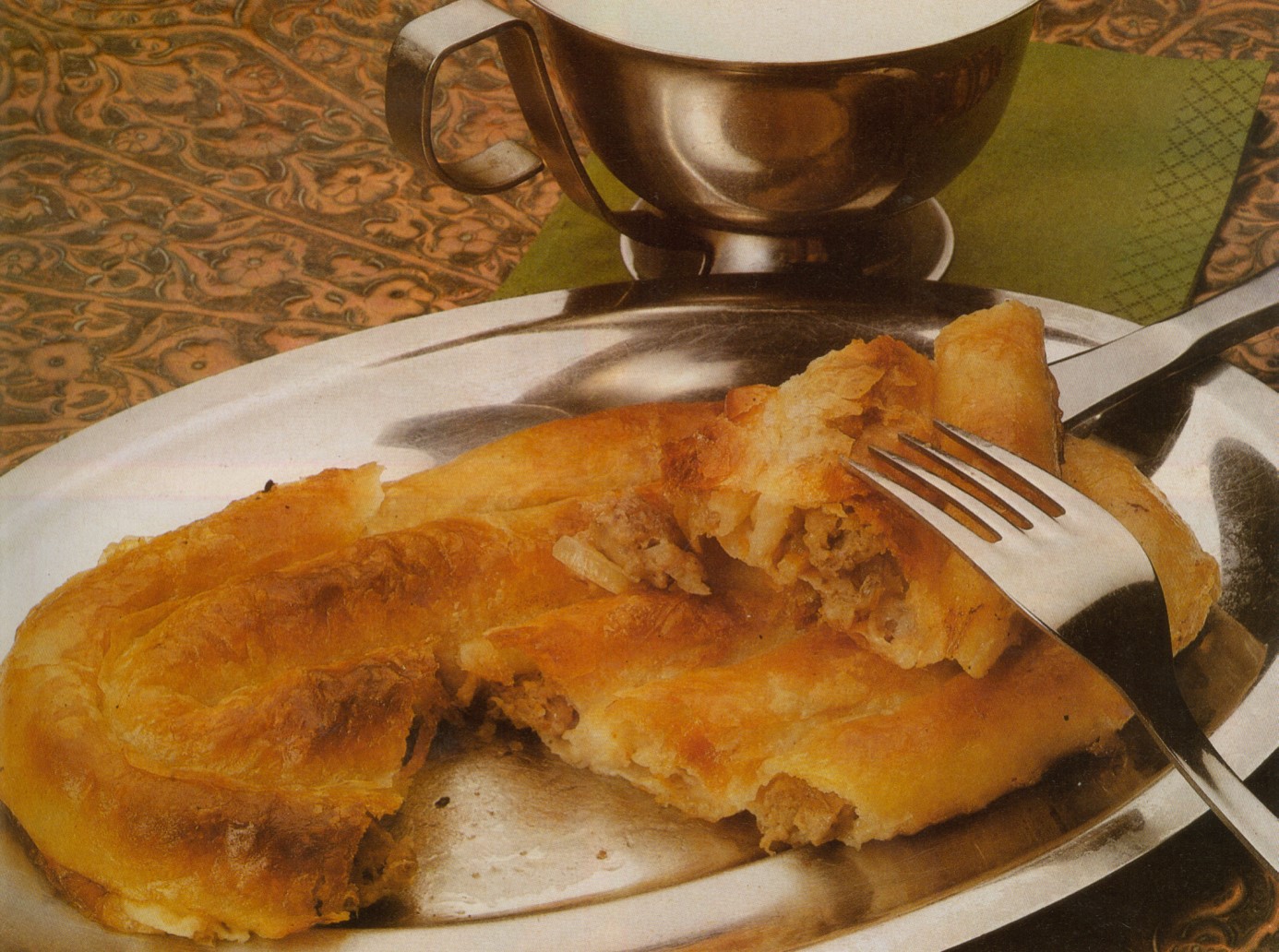
The burek – a pastry made of phyllo dough with various fillings, well-known in the Balkans, in Turkey (bürek) and also in the Near East by other names – probably arrived in Slovenia in the 1960s. Industrially, the most ambitious of the Yugoslav republics, Slovenia needed a workforce. And with that workforce – immigrants from the former Yugoslav republics – came the burek. To paraphrase Max Frisch: We called for a workforce and we got bureks! But the burek might have remained unknown to the majority of Slovenes if not, in the 1960s, “foreign” burek stands (run by Albanians from the former Yugoslav republic of Macedonia) appeared in various Slovene towns with high concentrations of immigrants or soldiers. Until the…
» Read More

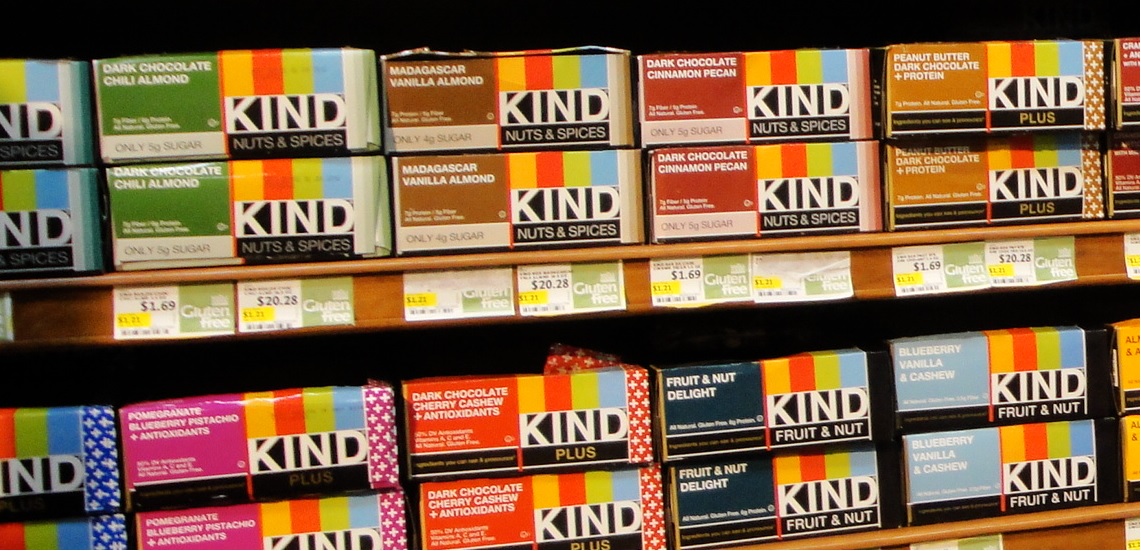
The food world is abuzz with the promise of transparency. Radical transparency. Authentic transparency. Trust-building transparency. The promise comes in many forms – from clear packaging to ethical corporate engagement, “clean” ingredients panels, supply chain traceability, hand held scanning technologies that can tell you “what is really in your food,” video tours taking consumers inside production plants, and real life opportunities to “see for yourself” where your food comes from. What is the problem that transparency seeks to solve? What is transparency? And can it solve those problems? Transparency is the food industry’s answer to consumer concerns about processed food and the industrial food system that produces it. It’s a version of the same ethos that has animated much of…

» Read More

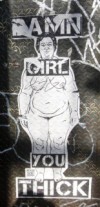
In the ever so popular sideshows of the 19th and early 20th centuries, the Fat Lady was a fascinating spectacle staged for the amusement, horror and repulsion of the visitors. She was one of the freaks who was feared, yet also marveled at for her assets, her fat body. Today, there are only few sideshows left (in Coney Island for instance), but the tradition of displaying so called freaks for amusement has not vanished, it has merely switched its medium to television, or more precisely to Reality TV, a genre that is overtly popular and profitable for broadcasting stations. The fascination with “real” people and their lives does not seem to cease as more and more programs that negotiate and…

» Read More

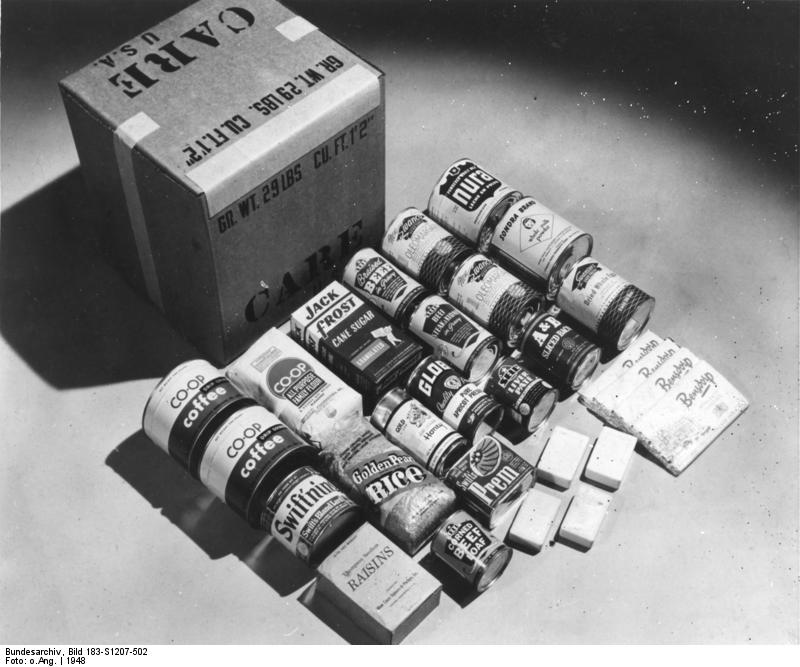
The recent Berlin Deutsches Historisches Museum exhibition on “1945: Niederlage, Befreiung, Neuanfang. Zwölf Länder Europas nach dem Zweiten Weltkrieg,” features two artifacts having to do with food. One is a bag of flour from UNRRA (United Nations Relief and Rehabilitation Administration) and the other is a CARE package containing, among other things, two cans of powdered milk. Both artifacts are meant to illustrate the state of hunger in Europe at the war’s end and the emergency relief measures aimed at getting food into the most challenged regions. What the exhibit does not suggest, however, is the longer-term consequence of post-war food relief, particularly the creation of an international food aid system administered by private agencies but based on public resources…

» Read More

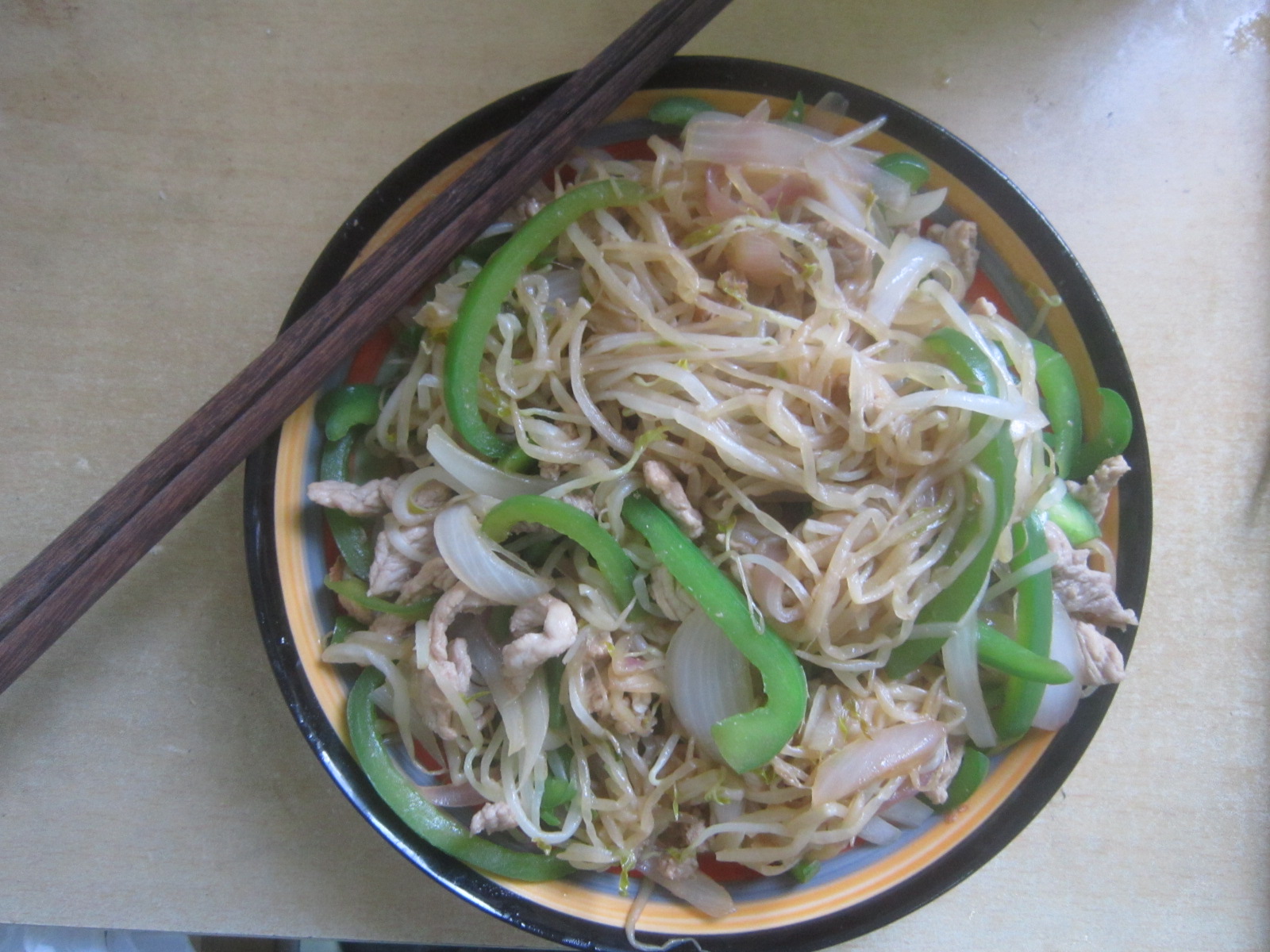
Chop suey is unknown to most Chinese other than those from Kwantung Province. However, it was this cheap and simple dish that became the icon of Chinese food in the U.S. before the advent of new Chinese immigration beginning in 1965. But why was it chop suey that became so important out of the rich repertoire of Chinese cuisine? What was the social and cultural context that facilitated the popularity of chop suey? Chop suey first made its presence felt in the U S in the late 19th century. At that time, under the Chinese Exclusion Act, Chinese immigrants were expelled from lucrative jobs and forced to enter the service sector. Many Chinese chose to work in the restaurant industry.…

» Read More